Part 1: The Night My Son Asked Me to Leave
My name is Margaret Eleanor Briggs, and I was seventy-one years old when my son finally made it clear that I had overstayed my welcome in his home. I had been living with Daniel and his family in Phoenix for two years, ever since my husband Harold died suddenly after forty-six years of marriage.
After the funeral, Daniel came to my house in Tucson and insisted I should not remain there alone. I eventually agreed to move in with him, leaving behind the home Harold and I had built together, the garden we planted, and the life that had once made me feel anchored.
Daniel’s house was large and beautiful, with four bedrooms, a pool, and a three-car garage. His wife Renee gave me the guest room at the end of the hallway and made it clear that nothing in it should be rearranged.
At first, I told myself I simply needed time to adjust. I cooked, cleaned after dinner, helped my grandchildren Caleb and Sophie with homework, drove them when asked, folded laundry, and tried not to take up more space than necessary.
Gradually, however, I began to understand that I was not really part of the household. Renee introduced me to friends as Daniel’s mother “staying with us for a while,” family outings happened without anyone inviting me, and one evening I overheard her discussing what I supposedly cost them.
“She eats our food, uses our utilities, and contributes what exactly?”
I returned quietly to my room and closed the door. I told myself Renee was stressed and Daniel was busy, because believing that explanation hurt less than admitting that I had become a burden in the eyes of my own family.
Then, in February, something happened that changed everything.
On the way home from a doctor’s appointment, I stopped at a gas station and bought a lottery ticket almost without thinking. Four days later, I checked the numbers while sitting alone at the kitchen table and discovered that I had won eighty-nine million dollars.
I checked the ticket three times before folding it carefully and hiding it inside my Bible. I told absolutely no one.
After taxes and taking the lump sum, I estimated that I would receive roughly fifty-two million dollars. The number felt unreal, so I kept living exactly as I had before while quietly trying to understand what it meant.
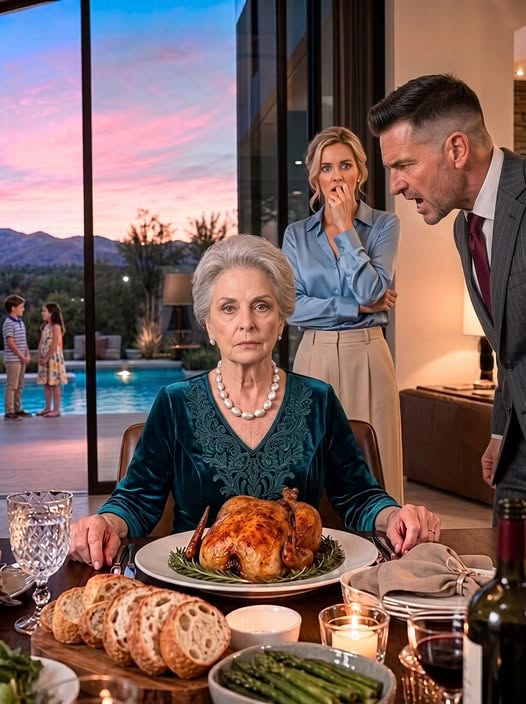
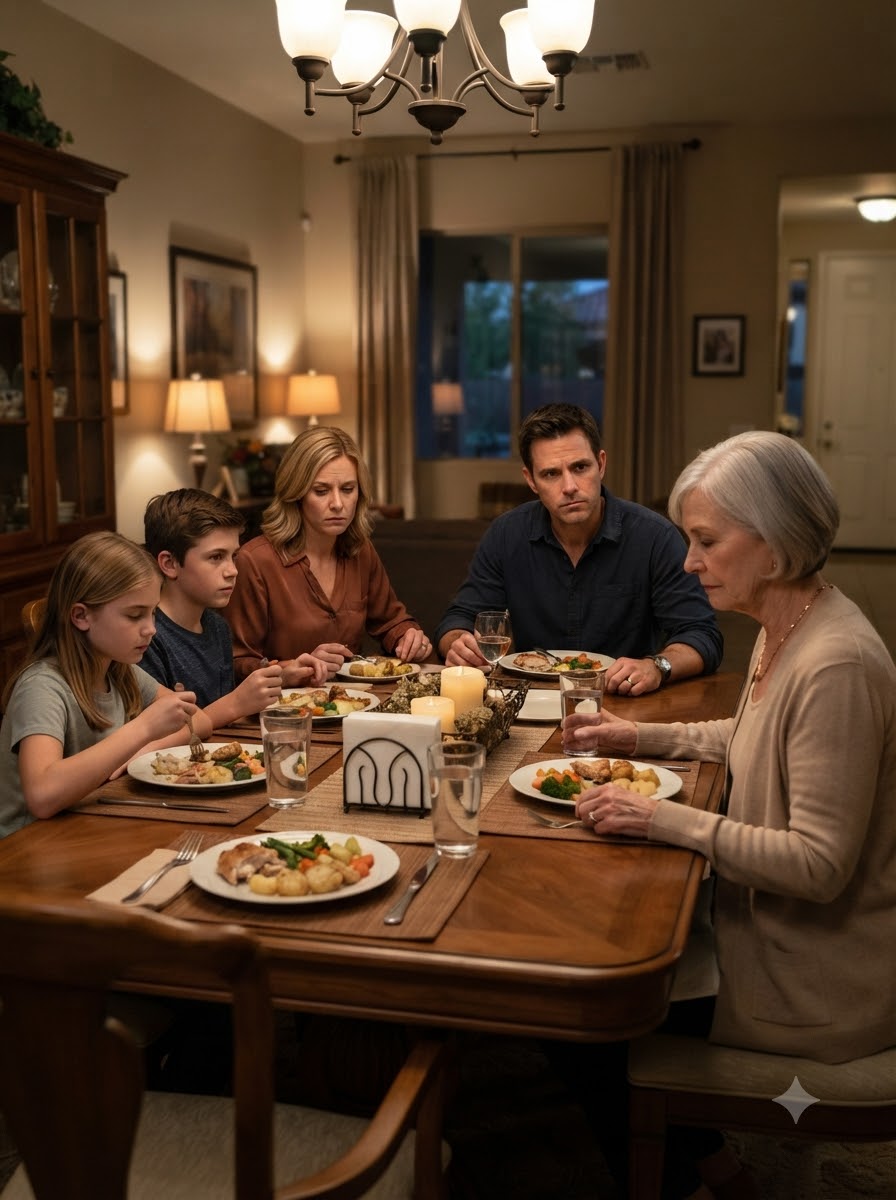
A month later, we were eating an ordinary Tuesday dinner when Daniel finally said what had apparently been on his mind for a long time. He did not sound angry or cruel, which somehow made his words hurt even more.
“Mom, when are you actually planning to move out? I mean, what’s the plan here?”
The table went completely quiet. Renee stared at her plate while Caleb lowered his phone and Sophie stopped talking.
I looked at my son and realized he was not seeing his mother anymore. He was looking at me like an unresolved problem.
“Excuse me.”
I set down the basket of rolls, folded my napkin, and walked outside. Sitting alone beside the covered pool, I finally allowed myself to feel the weight of two years of being tolerated rather than wanted.
My old house in Tucson was gone because Daniel had encouraged me to sell it months earlier. I had believed him when he said keeping it made no sense because I would never live there alone again.
But now there was one fact Daniel knew nothing about. Eighty-nine million dollars.
That night, I lay awake until two in the morning and made a list. I would tell no one about the lottery, claim the prize privately with professional help, secure my finances, and find a home that belonged entirely to me.
By sunrise, I had already made my first appointments.
My son wanted to know when I was leaving. He had no idea how completely I was about to answer that question.
Part 2: The House They Were Never Meant to Have
The next morning, I was awake before six and dressed in the gray blazer I saved for important occasions. By the time Renee came downstairs at seven-thirty, I had already researched estate attorneys who specialized in financial privacy and booked three consultations under my maiden name.
“Good morning.”
Renee looked mildly surprised to find me sitting at the kitchen table instead of hiding in my room. She poured herself coffee, gave me a distracted smile, and left for work without asking what I was doing.
The attorney I chose was Patricia Holloway, a sharp, discreet woman in her early sixties who immediately understood why privacy mattered. I told her about the lottery ticket, Daniel’s house, the dinner, and the fact that nobody in my family knew I had suddenly become wealthy.
“You haven’t told anyone?”
“No one.”
“Good.”
Patricia explained how we could establish the proper legal structures before I claimed the prize and introduced me to a financial adviser she trusted. Over the next three weeks, we quietly created a trust, opened private accounts, and organized the money so that my name would not become the center of anyone else’s plans.
I continued behaving exactly as I always had at Daniel’s house. I cooked, drove Sophie to violin lessons, bought ordinary groceries, and remained the quiet woman they had grown accustomed to overlooking.
Then Renee started noticing the changes.
One evening, I overheard her telling Daniel that I had been going out more often and carrying folders that looked like legal documents. Daniel initially dismissed it as paperwork from Harold’s estate, even though that estate had been settled years earlier.
The next morning, he approached me over coffee.
“Mom, is everything okay? Renee mentioned you’ve had some appointments. Nothing medical, I hope.”
I looked at him carefully because his concern seemed genuine, but there was something watchful beneath it.
“I’m fine, Daniel. Just some administrative things to get in order. You know how it is at my age. Paperwork never ends.”
Popular Posts
→- 1
- 2
- 3
- 4




Recently Viewed
Stories you read recently will appear here.





