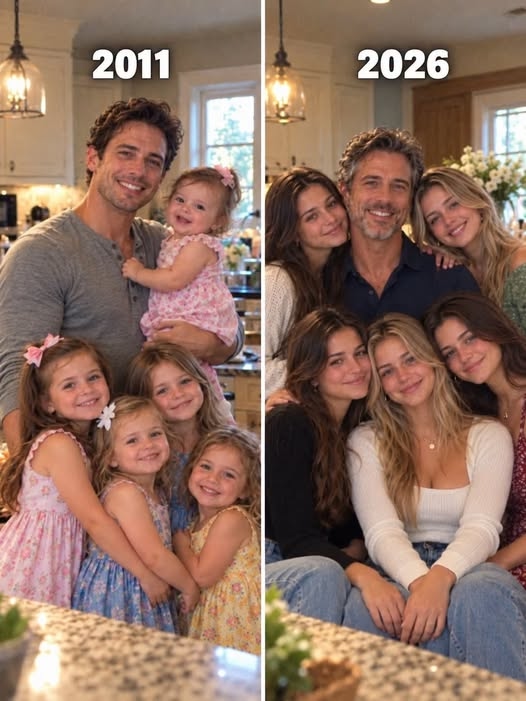
The digital display on the microwave read 11:42 PM when the phone buzzed against the scuffed laminate of the kitchen table.
David didn’t look up immediately. He was halfway through cross-referencing an invoice from an artisanal baker against a stack of receipts that smelled faintly of diesel and rain. His left thumb, permanently calloused from three decades of maintenance shifts at the regional transit authority, pressed firmly into the spine of a pocket calculator. The math wasn’t working. It hadn’t worked on Tuesday morning, and the passage of fourteen hours hadn’t softened the deficit. Weddings, he had discovered over the past six months, were an exercise in monetizing sentimental moments: aisle runners charged by the linear foot, chair covers priced as though they were tailored from Belgian linen, and overtime rates for sound engineers that rivaled the fees of corporate litigators.
He had promised Chloe she wouldn’t have to think about any of it. When she had tried to hand him an envelope containing half her savings four months ago, he had gently pushed her hand away and told her that fathers pay for weddings. It was an antiquated pride, stubborn and irrational, but it was the only currency he had left that felt solid.
The phone vibrated again, skittering an inch to the left, nudging a cold mug of black coffee.
David set the pen down, rubbed the bridge of his nose where the cheap reading glasses left deep, purplish dents, and picked up the device.
The preview banner showed an unfamiliar international number with an area code assigned to the wealthier enclaves of western Zurich. Beneath it, the name had been pulled from an old, synchronized contact card he hadn’t opened since smartphones still had physical keypads: Elena.
I’ll be attending our daughter’s wedding, David. What would my new family think of me if I missed an occasion like that, right? I expect you to avoid causing any drama.
The air went out of the kitchen with the sudden, violent vacuum of a punctured hull.
David sat entirely motionless. In the living room down the hall, the rhythmic hum of the refrigerator kicked into a lower, vibrating gear. A clock ticked. Outside, the autumn wind shook the dying leaves of the red maple he had planted the summer the triplets turned six.
What would my new family think.
Not: Is she happy? Not: How are the other five? Not even the cheap, performative regret that usually accompanied unexpected contact from ghosts. Just the cold, logistical calculation of an appearance fee.
David reached into his shirt pocket, fingers searching automatically for the pack of cigarettes he had quit smoking eight years ago when Stella got her braces. Finding only a plastic pen cap, he pressed it into his palm until the edges dug into his flesh.
Fifteen years.
Five thousand, four hundred, and seventy-eight days.
He closed his eyes, and the hallway outside this very kitchen materialized with terrifying clarity. It was an October morning, damp and smelling of wet slate. He had been standing on the linoleum, the rubber soles of his work boots squeaking slightly, holding nine-month-old Maya against his shoulder. Her infant skull had been hot and damp against his neck, her tiny fingers tangled in the coarse collar of his denim jacket.
Elena had possessed three matching leather suitcases—cognac-colored calfskin, paid for on an account that did not bear the name Miller. She had packed methodically, rejecting anything that showed signs of wear, leaving behind cheap cotton nightgowns and half-used bottles of discount shampoo.
On the stairs, thirteen-year-old Chloe had stood frozen, her bare feet blue-white against the worn runner, her fingers gripping the banister so hard the knuckles were bleached of blood. Stella, eight, had been sitting on the bottom step, holding an empty cereal bowl like a shield. In the back den, the triplets—Charlotte, Violet, and Evelyn—had been five, their voices rising in that erratic, high-pitched wail children produce when they know the architecture of their world is collapsing but lack the vocabulary to name the beams giving way.
“Elena, please,” he had said. His voice had been low, cracking at the edges, stripped of pride. “We can sit down. The girls will be asleep in an hour. We’ll look at the ledger. I can pick up the night yard shift in the rail district. Four nights a week. It’s time-and-a-half after midnight.”
She hadn’t paused her packing. She had folded a silk blouse—one he had never seen before—with crisp, professional precision.
“We never do anything else, David. We talk. We worry about the transmission on an eight-year-old station wagon. We cut coupons for minced beef. We stretch groceries until Friday.” She snapped the brass clasps shut. The sound was like a small-caliber gunshot in the narrow corridor. “You can’t provide the life I want. Julian can. He bought me a car that doesn’t smell like grease. He flew me to the Maldives while you were replacing water heaters. Do you understand the life he can offer me? The life I deserve?”
“Chloe can hear you,” he had whispered, his throat raw.
Elena had turned then. She looked up the staircase, her gaze sliding over Chloe’s white face with the detached assessment of a traveler checking a departure board.
“Then perhaps she’ll understand why settling is a mistake.”
She hadn’t kissed Maya. She hadn’t looked back through the leaded glass of the front door. The engine of Julian’s Mercedes had purred at the curb—a low, rhythmic, expensive sound—and then the exhaust had thinned into the gray autumn mist, and she was gone.
No phone calls. No child support checks. No birthday cards with twenty-dollar bills tucked inside. Just silence, heavy and suffocating, punctuated only by the relentless ticking of six distinct childhoods unfolding without a mother.
“Dad?”
David startled, his thumb instinctively sliding across the screen to lock the phone, but he was too slow.
Popular Posts
→- 1
- 2
- 3
- 4




Recently Viewed
Stories you read recently will appear here.





